Advancing AI Trust Through Innovation and Interoperable Assurance
The TSCP AI Bridge extends Public Key Infrastructure into AI services, establishing certificate-based trust for AI agents, models, workflows, and datasets. Beyond today’s operational capabilities, the AI Bridge serves as a foundation for continuous innovation in AI assurance, governance, and cross-domain interoperability.
This page highlights the advanced capabilities, research direction, and collaborative initiatives shaping the future of trusted AI under the AI framework.
Innovation Highlights
Building the Next Generation of AI Trust
The AI Bridge roadmap introduces advanced tools and platforms designed to strengthen assurance, visibility, and operational confidence across AI ecosystems.
Federated AI Identity Framework
A scalable identity model that enables AI systems to be uniquely identified and trusted across multiple Trust Framework Instances. This framework supports cross-domain and cross-organization AI deployments without sacrificing governance or assurance.
AI Provenance Dashboard
A centralized view into AI identity, lineage, ownership, and assurance status. The dashboard provides clear visibility into how AI systems are built, updated, and deployed over time.
AI Audit and Validation Toolkit
A structured set of tools for validating policy compliance, assurance levels, and operational behavior. This toolkit supports both internal governance teams and external auditors.
Trusted AI Sandbox
A secure, isolated environment for testing AI identity, policy enforcement, and assurance controls before production deployment. The sandbox reduces integration risk while accelerating innovation.
The A-PMA maintains independent governance while enabling globally consistent assurance practices across regional Trust Framework Implementations (TFIs) and sector-specific aviation communities.
Future Research Areas
Advancing Trust Beyond Today’s Capabilities
The AI Bridge program continues to explore new areas that expand how trust is measured, enforced, and shared across AI systems.
Cross-TFI AI Trust
Research into seamless trust recognition between independent Trust Framework Instances, enabling AI systems to operate across jurisdictions and sectors with consistent assurance.
Safety Instrumentation
Development of embedded mechanisms that monitor AI behavior and enforce safety boundaries during runtime operations.
AI Behavior Traceability
Techniques to capture and validate how AI systems act, respond, and evolve over time, supporting accountability and forensic analysis.
Autonomous Agent Certification
Frameworks for certifying autonomous agents based on identity, scope of authority, and behavioral controls.

Collaboration Programs
Advancing Innovation Through Partnership
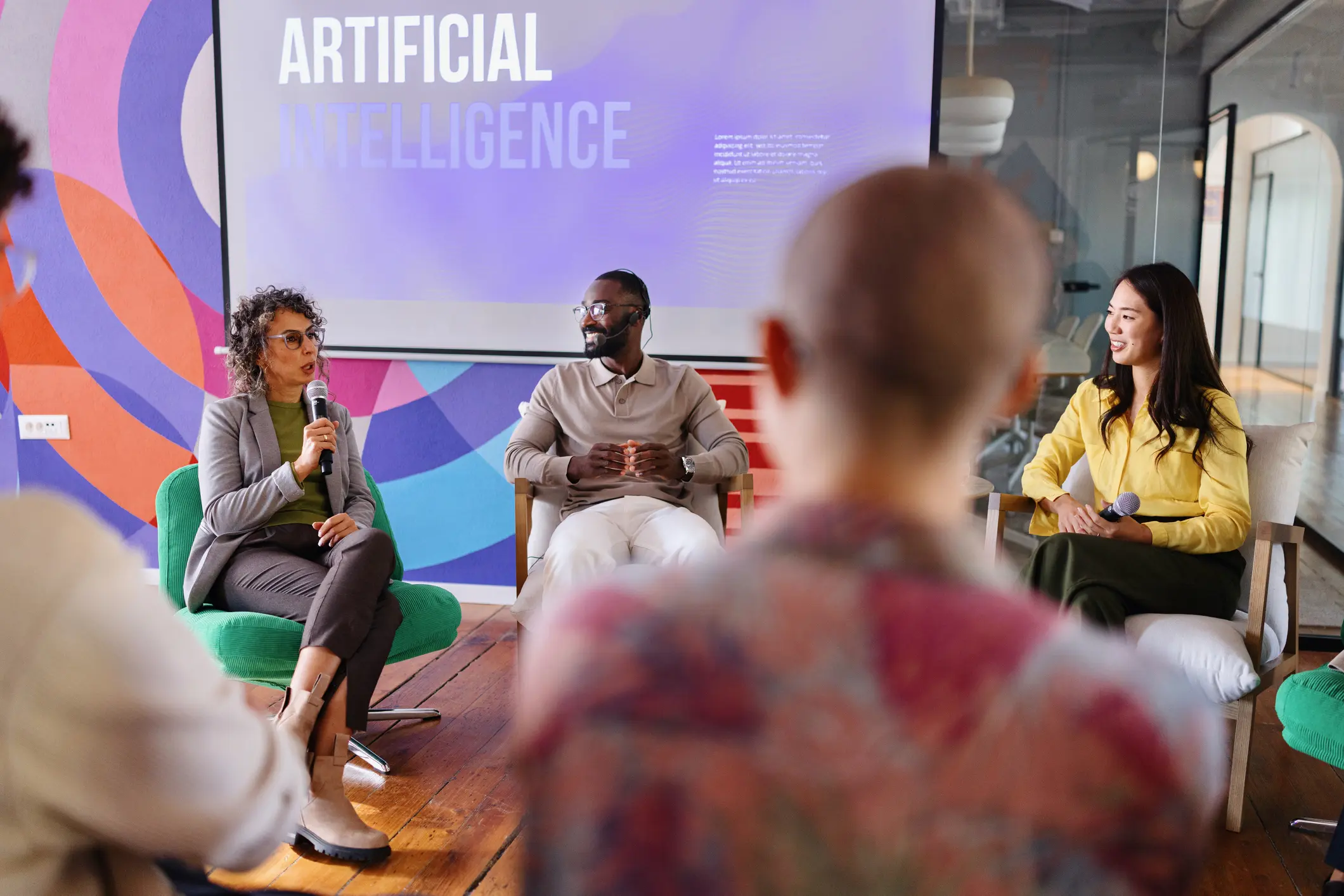
The AI Bridge innovation program is built on active collaboration across sectors.
Industry Pilots
Joint initiatives with industry partners to test advanced AI trust capabilities in real-world operational environments.
Academic Partnerships
Collaboration with research institutions to advance AI assurance theory, safety models, and governance practices.
Regulator Engagement
Ongoing dialogue with regulators to ensure emerging AI trust models align with evolving policy, compliance, and oversight expectations.
Innovation Roadmap
A Phased Path Forward
2025
Expansion of federated AI identity, enhanced provenance tracking, and early sandbox deployments.
2026
Introduction of advanced audit automation, behavior traceability tooling, and cross-TFI trust pilots.
2027
Operational certification models for autonomous agents, mature safety instrumentation, and broad multi-domain interoperability.
This roadmap reflects a disciplined approach to innovation, balancing progress with assurance, governance, and regulatory readiness.