
Compliance Levels
Unified Assurance Across Federal, Aviation, and AI Trust Domains
TSCP compliance levels define how identity, assurance, and governance controls are applied consistently across all trust lines. Through a shared policy foundation and formal assurance mapping, TSCP enables secure, interoperable, and regulator-ready trust operations across government, aviation, and artificial intelligence ecosystems.
This structure ensures that trust is measurable, auditable, and aligned with global standards without sacrificing cross-domain interoperability.
AI Trust Line (TSCP–AI Bridge)
AI-Provenance Assurance Profile
The AI-Provenance compliance profile extends traditional PKI assurance beyond certificates to include the identity, lineage, and behavioral validity of AI models, APIs, agents, and workflows.
This profile ensures AI systems can be trusted, governed, and audited in regulated and mission-critical environments.
AI-Provenance is mapped to:
By applying AI-Provenance assurance, AI components registered in the AI Identity Registry and validated through the TSCP–AI Bridge PKI can be deployed with confidence across high-assurance use cases.


Unified Assurance Across All Trust Lines
One Model. Multiple Domains. Consistent Trust.
The Common Core Policy Baseline (CCPB) and Assurance Equivalence Matrix (AEM) together form a harmonized assurance model across all TSCP trust lines.
This unified structure applies equally to:
As a result, TSCP certificates and trust artifacts remain globally interoperable, standards-aligned, regulator-ready, and suitable for high-assurance deployments across sectors.
The Compliance Architecture
How Assurance Is Built and Applied
TSCP Common Core Policy Baseline (CCPB)
The CCPB serves as the shared policy foundation across all TSCP trust lines. It defines minimum requirements for identity proofing, cryptographic strength, certificate lifecycle management, and audit controls.
Assurance Equivalence Matrix (AEM)
The AEM maps CCPB controls to defined TSCP assurance profiles. It enables policy equivalence across domains and governs assurance levels such as:
Together, CCPB and AEM ensure that assurance outcomes are comparable and interoperable across different regulatory and operational environments.
TSCP Trust Lines
Assurance Applied by Domain
Each TSCP trust line inherits its assurance structure from the AEM and applies it within a domain-specific context.
Federal Line (TSCP–FBCA Bridge)
Supports cross-certification and interoperability with U.S. Federal PKI.
Aviation Line (TSCP–IATF Bridge)
Supports ICAO-aligned aviation trust, ACCP conformance, and TFIs.
AI Trust Line (TSCP–AI Bridge)
Supports AI identity, provenance, and workflow assurance through ASCCS and AI registries.

Standards Alignment by Trust Line
Global Compliance Without Fragmentation
Each trust line maps its assurance controls to globally recognized standards.
Federal Standards
Aviation Standards
AI Standards
Cross-Domain Interoperability
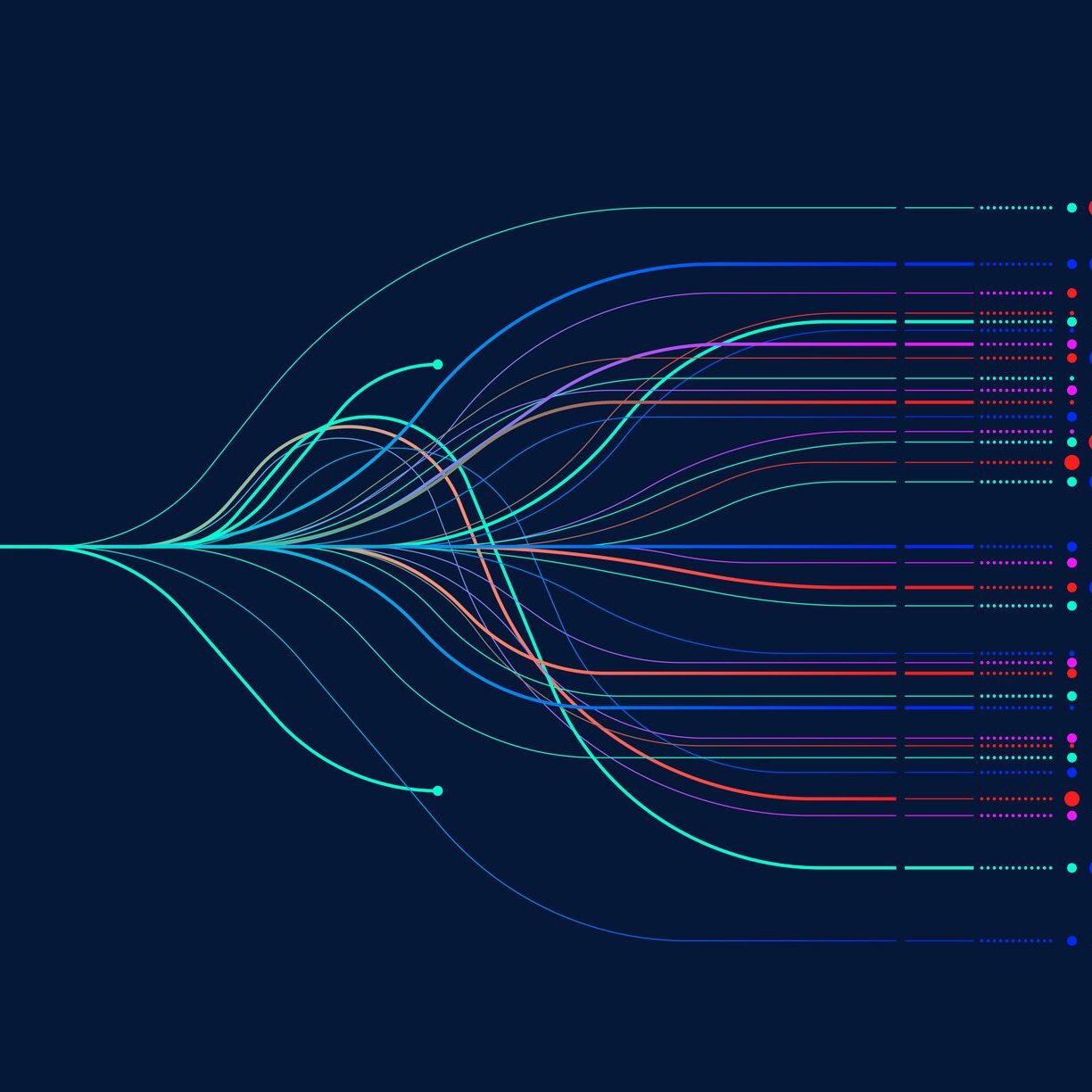
How the Compliance Model Works
Diagram Flow Explained
CCPB establishes the foundation
Defines baseline PKI and assurance controls across all trust lines.
AEM maps CCPB to assurance levels
Medium, Medium-HW, and AI-Provenance are aligned for cross-domain equivalence.
Trust lines inherit assurance profiles
Federal, Aviation, and AI trust lines apply assurance within their domain-specific frameworks.
Each trust line aligns to global standards
Federal, aviation, and AI environments maintain regulatory alignment while remaining interoperable.
This flow ensures trust consistency without imposing a single regulatory model across all domains.
Designed for High-Assurance Deployment
TSCP compliance levels provide a scalable, future-ready approach to assurance. They enable organizations to operate across borders, sectors, and technologies while meeting regulatory expectations and maintaining operational trust.
This structure supports long-term interoperability, audit readiness, and confidence in digital trust at global scale.